US Cocoa Futures (COCOA-F) is down 2.04% at Sep 10 06:10(ET), now at $5812.5, with a 7-day down of 5.23%.
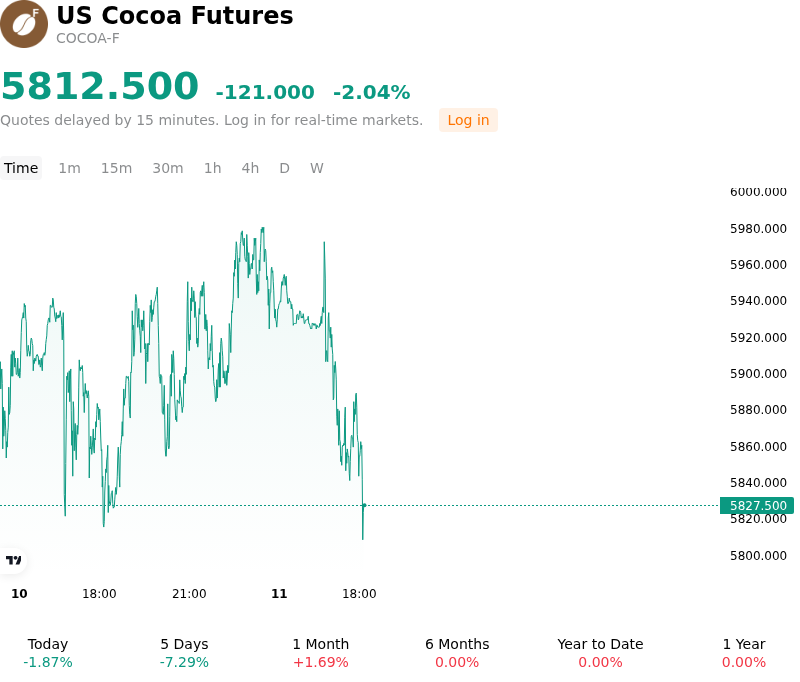
What is driving US Cocoa Futures (COCOA-F)’s stock price down today?
Cocoa futures faced downward pressure as market participants reacted to signs of improving short-term physical availability and rising warehouse stocks. The retreat was largely driven by expanding port deliveries from top producer Ivory Coast, where cumulative arrivals and harvest volumes showed significant year-over-year increases heading into the close of the marketing year. This steady inflow of physical beans, combined with a noticeable accumulation of exchange-monitored ICE warehouse inventories to multi-year highs, helped unwind the immediate scarcity premiums that had previously built into the front end of the curve. Statements from major global cocoa processors confirming that prompt market supplies were adequate further alleviated acute deficit fears, prompting a bearish repricing across near-dated contracts.
Additional pressure stemmed from the broader policy and pricing environment in West Africa. The confirmation of lower farmgate prices in key origin countries reflected a normalization from prior historic highs, dampening expectations for immediate price spikes at the producer level. At the same time, elevated baseline prices over recent months continued to temper industrial grinding margins and chocolate manufacturing demand, encouraging buyers to utilize existing buffer stocks rather than aggressively bid in the spot market. From a positioning perspective, the breakdown below key technical support thresholds triggered systematic long liquidation and profit-taking by speculative funds following the commodity's extended upward trend earlier in the quarter.
Despite the intraday sell-off, institutional investors continue to monitor long-term structural supply risks that could limit sustained downside momentum. Early crop assessments for the upcoming West African main harvest indicate potential yield reductions tied to erratic weather patterns, below-average pod formation, and persistent disease pressures in localized growing belts. Furthermore, potential logistical bottlenecks surrounding regulatory compliance and traceability protocols in major exporting nations remain key variables. Consequently, while prompt inventory builds and short-term supply relief dominated the session's trade, the broader market balance remains sensitive to prospective mid-term deficit risks.
Technical Analysis of US Cocoa Futures (COCOA-F)
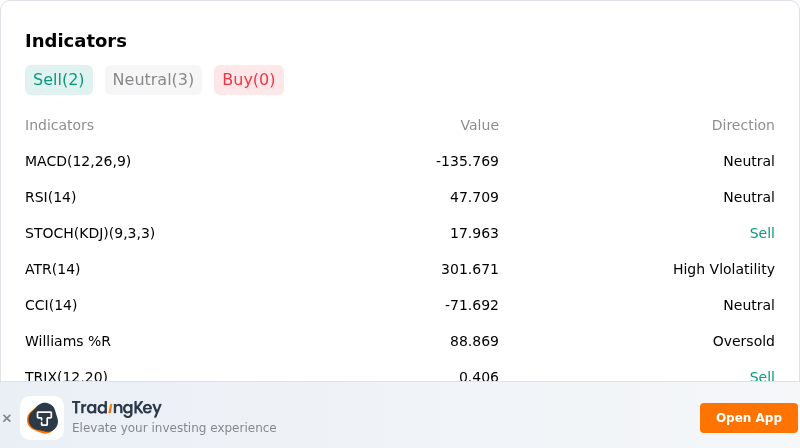
Technically, US Cocoa Futures (COCOA-F) shows a MACD (12,26,9) value of -135.769, indicating a neutral signal. The RSI at 47.709 suggests neutral condition and the Williams %R at 88.869 suggests oversold condition. Please monitor closely.
More details about US Cocoa Futures (COCOA-F)
Recent Events and Risks:
- Surging Warehouse Inventories and Heavy Spot Deliveries: ICE-monitored cocoa warehouse inventories climbed to a two-year high exceeding 3.43 million bags, while cumulative port arrivals in Côte d'Ivoire reached 2.14 million metric tons. This visible accumulation of prompt physical supply has alleviated immediate spot tightness, putting heavy downward pressure on prompt futures prices.
- Persistent Industrial Demand Destruction and Recipe Reformulation: Major processing updates confirm sustained softness in global cocoa grindings, as chocolate manufacturers pass elevated raw material costs onto price-sensitive consumers. Confectioners are actively cutting product sizing and substituting cocoa butter with alternative vegetable fats, creating long-term structural demand destruction and deferred bean procurement.
- Algorithmic Long Liquidation and Market Illiquidity Stress: Following a recent rally to multi-month highs, futures markets suffered abrupt long liquidation and institutional profit-taking. High exchange margin requirements and thin order book depth continue to amplify intraday downside volatility, triggering automated stop-loss execution when technical support levels are breached.
- EUDR Compliance Uncertainty and Logistics Friction: West African exporters and buying cooperatives are encountering operational hurdles adopting the national bean traceability framework required under incoming European Union Deforestation Regulations. Administrative delays and compliance friction risk slowing port clearances and delaying contract fulfillment into European processing hubs, causing near-term buyer hesitation.
Find out more